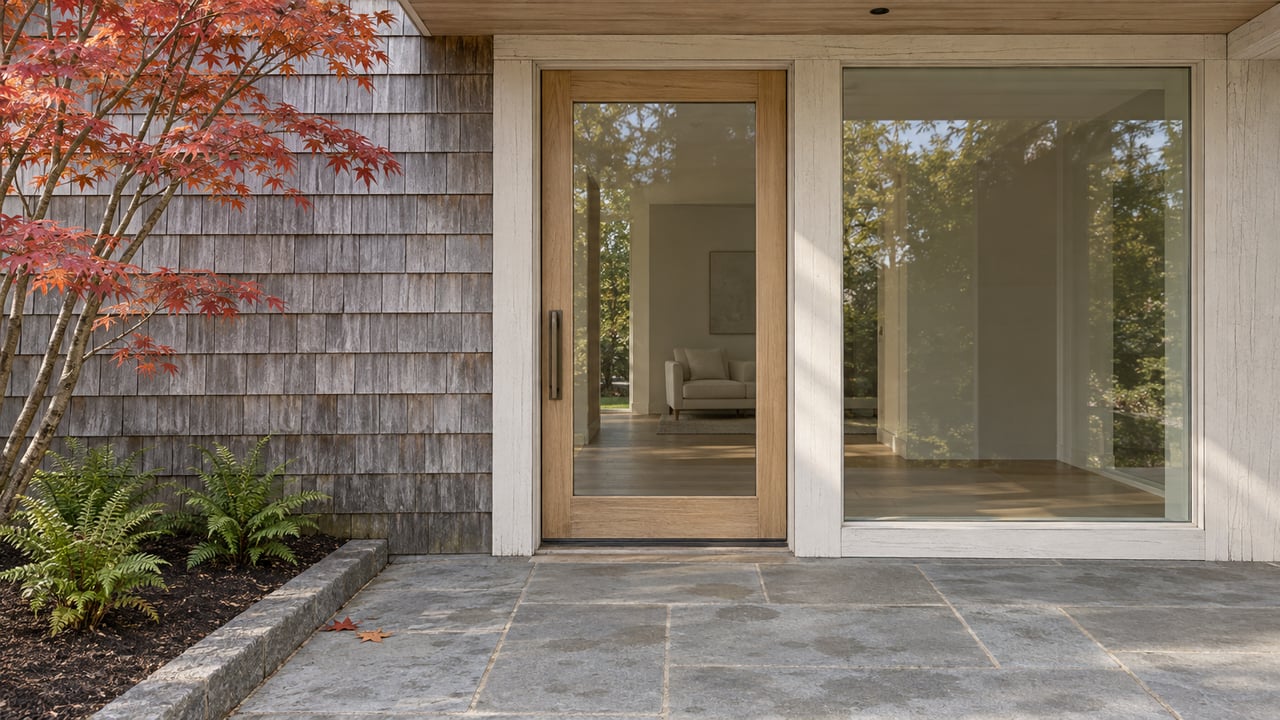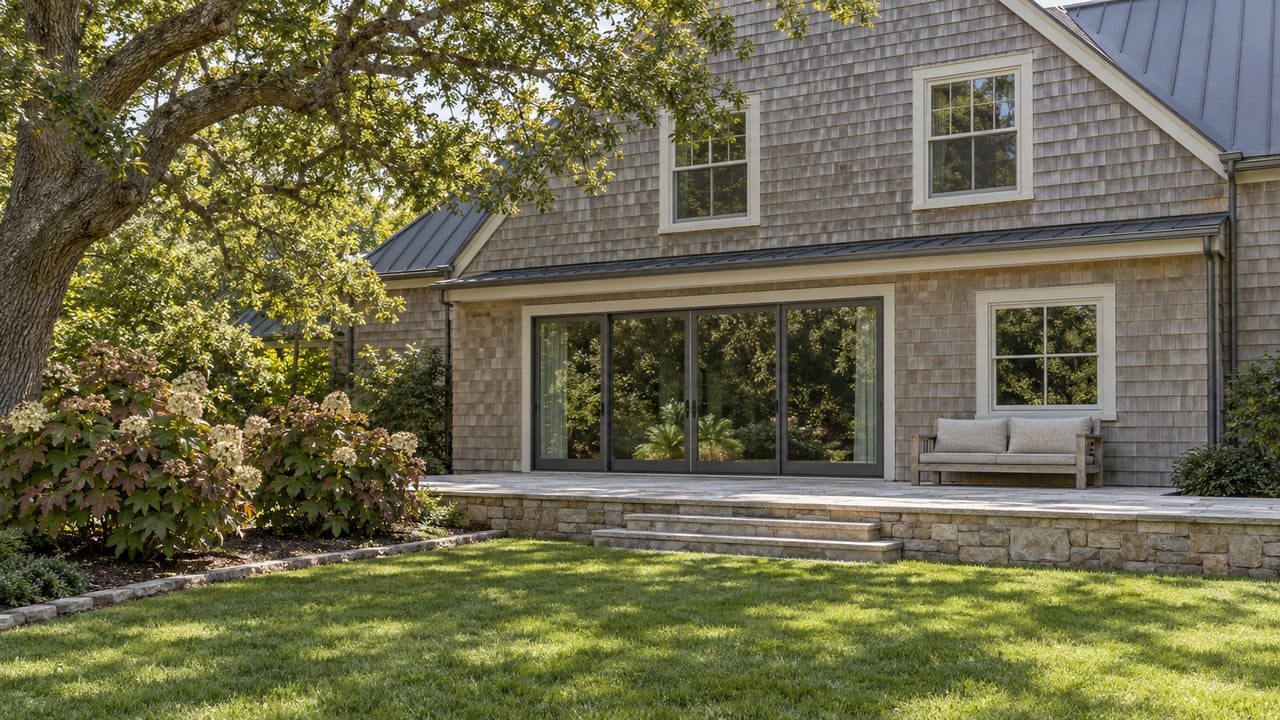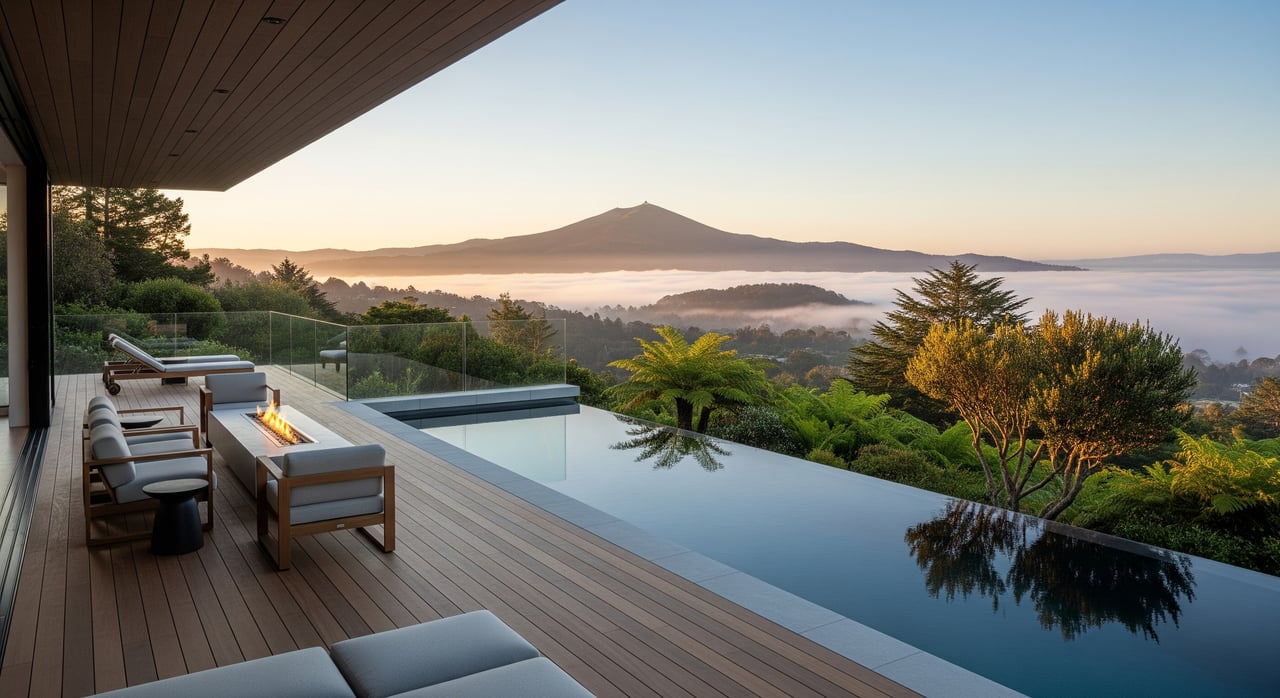
Ever notice how one Mill Valley block feels sunny and warm while the next sits in cool shade? You are not imagining it. Mill Valley’s hills, valleys, redwoods, and the nearby Pacific create distinct microclimates that shape how you live day to day. In this guide, you will learn how sun, fog, wind, and slope vary by neighborhood and how to evaluate a home’s light, comfort, and maintenance needs before you buy. Let’s dive in.
What drives Mill Valley microclimates
Mill Valley sits on the flanks of Mount Tamalpais and within narrow valleys. That topography funnels marine air and creates quick changes in sun and temperature over short distances. The Pacific marine layer often pushes inland, especially in late spring and summer mornings, while higher or sun-exposed slopes tend to clear sooner.
Dense redwood and mixed-evergreen canopies keep some pockets cooler and more humid. Orientation matters too. South-facing slopes and decks receive more direct sun, while north-facing slopes stay cooler and damp longer after rain.
Neighborhood patterns at a glance
Downtown redwoods (Old Mill, Cascade)
These corridors feel shaded, cool, and humid with substantial tree canopy. Fog and low clouds linger longer under the redwoods and in ravines. You gain privacy and classic character, but you should plan for moisture-aware maintenance and limited direct sun for rooftop solar or sun-loving gardens. If you want more light, look for patios that open to clearings or consider selective canopy thinning where allowed. Permits may be required.
Tam Valley
Tam Valley is generally sunnier and warmer than the heavily wooded downtown pockets. It sits inland with fewer dense tree stands in many areas, so morning fog often clears earlier. This can be ideal if you want vegetable gardens, passive solar gains, or longer patio hours. Nights can still cool down quickly, so check insulation and heating performance.
Strawberry (Richardson Bay)
Strawberry has strong bay influence. It is often cool and breezy with marine-layer mornings and evenings, and some stretches are wind-exposed. Shoreline homes may see salt exposure on landscaping and exterior finishes. Water views are a major draw, and you should also evaluate flood and sea-level considerations for specific parcels.
How microclimate affects daily life
Sunlight and outdoor living
Sun exposure determines how often you use patios and which plants thrive. Shade-dominant lots support ferns and native understory plants. If you want vegetables or a lawn, look for south or west exposure and open sky during midday.
Energy and comfort
Sunnier, sheltered spots can reduce winter heating needs and offer passive solar gains. Foggy or shaded pockets may need more heating and better envelope performance. Because valleys cool quickly at night, review insulation quality, window condition, and heating systems.
Solar potential
Rooftop solar production depends on roof orientation, tilt, and shading from trees or nearby hills. Dense redwoods and north-facing roofs reduce output. If solar matters to you, plan a shading and solar analysis and observe midday sun in both summer and winter.
Moisture and building health
Shadier, damper sites can dry slowly after rain. Watch for moss on roofs, damp siding, soft deck boards, and efflorescence on foundations. Good ventilation, vapor barriers, roof flashing, and clean gutters are key defenses.
Views and resale
Bay and Golden Gate views and sun-exposed patios tend to command a premium. Perpetually foggy or heavily shaded homes may appeal to a narrower buyer pool. Privacy, mature trees, and proximity to parks also carry strong value in Mill Valley.
Touring strategy by time and season
Time of day
- Morning in summer: See fog extent and how long it lingers, plus dew and moisture on decks and eaves. Fog may make a property feel cooler than it is later in the day.
- Midday: Judge maximum sun exposure and how quickly fog burns off. This is the best window to assess garden and patio usability.
- Late afternoon to sunset: Map late-day sun and shade, feel the evening breeze, and notice how fast temperatures drop after sunset.
Season timing
- Summer: Marine layer and fog patterns are most pronounced. Test outdoor living comfort in typical conditions.
- Winter and rainy months: Evaluate drainage, gutters, roof condition, and any dampness.
- If possible, visit at least twice in different seasons or dayparts. A summer morning and a winter afternoon can be an excellent pairing.
On-site buyer checklist
- Sun and shade
- Note orientation of main living areas and primary patio.
- Observe direct sun on garden, deck, and bedrooms at midday.
- Fog and moisture
- Smell for mustiness inside and outside.
- Look for moss on roofs, damp siding, peeling paint, or algae on decks.
- Confirm gutters, downspouts, and proper slope away from the foundation.
- Trees and canopy
- Note large redwoods near roofs and power lines.
- Consider leaf and needle buildup and impacts on gutters, roofs, and solar.
- Ventilation and HVAC
- Ask about any history of mold or rot remediation and attic ventilation.
- Check insulation levels and heating system age and service history.
- Views and light
- Photograph views and light at each visit. Consider whether nearby development could affect view corridors.
- Wind and exposure
- Test for bay and coastal breezes on decks and patios. Consider wind screens or landscape buffers.
- Flood and drainage
- For Strawberry and other bayfront areas, note elevation, proximity to tidal creeks, and flood zone status.
- Solar potential
- Check roof orientation and shading patterns. Request past rooftop or tree-trimming records when available.
- Maintenance evidence
- Look for stains, soft wood, under-deck rot, sagging gutters, and interior ceiling or wall stains.
Smart questions for sellers and inspectors
- Are there disclosures about water intrusion, mold, rot, pest damage, or slope movement?
- What is the roof age, any leak history, and when were gutters last serviced?
- Who manages tree pruning and has vegetation affected foundations or sewer laterals?
- How old is the furnace or heat pump and are there whole-house ventilation or exhaust fans?
- Any prior solar evaluations or installations and any HOA or permit rules affecting trees or solar?
- Is the home in a flood zone, any past flooding events, and current insurance considerations?
- Were permits pulled for canopy changes, decks, or retaining walls, and by whom?
Resilience considerations
Wildfire smoke
Late summer and fall can bring regional smoke that affects outdoor air quality. Review defensible space around the property and plan for indoor air filtration to maintain comfort during smoke events.
Flood and sea-level rise
Bayfront properties, especially in Strawberry, should be reviewed for flood risk and future sea-level planning. Confirm elevation, local drainage patterns, and insurance requirements for specific parcels.
Comparing neighborhoods for your goals
- Sun and outdoor living
- Tam Valley: generally more reliable sun for gardens and patios.
- Downtown redwoods: cooler and shaded with privacy and character.
- Strawberry: water proximity with variable sun and more wind exposure.
- Maintenance and moisture
- Redwood areas: higher vigilance for moss, rot, and dampness.
- Tam Valley: fewer canopy-driven moisture issues, standard upkeep still required.
- Strawberry: watch for salt effects, wind wear, and localized drainage.
- Views and resale
- Water and Golden Gate views, plus sunlit outdoor spaces, often lift value.
- Privacy and park proximity are strong draws even where sun is limited.
Get expert, block-by-block guidance
Choosing the right microclimate is as important as choosing the right floor plan. If you want a sunny garden, quieter wind exposure, or a cool, redwood setting, the differences can be only a few streets apart. For precise, on-the-ground advice and a showing plan tailored to your lifestyle, connect with Stephanie Lamarre for a private consultation.
FAQs
What are Mill Valley microclimates?
- They are small, distinct weather zones created by Mount Tamalpais, narrow valleys, marine fog, and tree canopy that change sun, wind, and temperature block by block.
Which Mill Valley areas get more sun?
- Tam Valley is generally sunnier than heavily wooded downtown pockets, while higher or south-facing slopes in many areas clear fog earlier in the day.
Are redwood areas bad for solar panels?
- Heavy canopy and north-facing roofs reduce solar output, so you should request a shading and solar analysis before deciding.
How does fog affect home comfort and energy use?
- Foggy, shaded homes often stay cooler and may require more winter heating; sunny, sheltered homes can benefit from passive solar gains.
What should I check in Strawberry near the bay?
- Evaluate wind exposure, salt effects on materials, and parcel-specific flood considerations, including elevation and proximity to tidal creeks.
When is the best time to tour for microclimate?
- See a home at least twice, ideally a summer morning to gauge fog and a midday or late-day visit to assess sun, breeze, and evening temperature drop.