Thinking about selling your Kentfield home this year? In a market where a handful of sales can swing the numbers, preparation and precision matter. You want a plan that protects your time, reduces risk, and positions your property to command a premium. This guide gives you a clear, step-by-step roadmap tailored to Kentfield’s luxury segment, from disclosures and inspections to smart updates, staging, media, and timing. Let’s dive in.
Know the Kentfield market now
Kentfield is a high-value, low-volume market. With so few sales each quarter, median prices can move a lot from month to month. Public trackers in late 2025 showed a wide range for Kentfield medians, roughly from the low $2 millions to nearly $4 million, which underscores how just a few closings can shift the data. A broker summary for Marin County also showed Kentfield medians near the mid-$2 millions in select quarters, with very limited active inventory. You should always refresh local MLS numbers right before you go to market and note the date of any figure you reference. Sotheby’s Marin market updates illustrate how premium submarkets move.
Seasonality still matters. Spring is typically the strongest window, with a secondary push in early fall. In low-inventory luxury segments, a well-staged late winter or early spring launch can focus buyer attention. The exact week depends on your home, your prep timeline, and competing listings. Your agent should use recent comps and a week-by-week calendar to target the launch for maximum impact.
Get disclosures and compliance right
Proper disclosures protect you and build buyer confidence. Handle these early so offers come in clean and strong.
California statutory disclosures
- Transfer Disclosure Statement (TDS). California Civil Code §1102 requires sellers of most one-to-four unit residential properties to deliver a TDS. This is your obligation as a seller. Your agent can assist but cannot waive it. Review the statute here: Civil Code §1102
- Natural Hazard Disclosure (NHD). Most residential sales also require an NHD that covers standard hazard zones, including fire severity, flood, and seismic. Provide it early, before a buyer signs an offer. See Civil Code §1103.2
Agent visual inspection duty
Your listing agent must conduct a reasonably competent visual inspection of the property and disclose observed material facts. This helps surface issues before you go to market and supports informed pricing. See Civil Code §2079
Lead-based paint for pre-1978 homes
If your home was built before 1978, federal rules require specific lead disclosures and delivery of the EPA/HUD pamphlet. California’s public health page summarizes the requirement. Review the state guidance here: Lead disclosure overview
Kentfield sewer lateral compliance
Many Kentfield properties are within the Ross Valley Sanitary District. A sewer lateral Certificate of Compliance is typically required at sale. Confirm status early and budget time and cost for any repairs and inspection. See the RVSD guidance: Sewer lateral compliance FAQ
Pre-listing inspections that protect value
A small amount of proactive due diligence can prevent late-stage renegotiation and help you price with confidence.
Core inspections to consider
- General home inspection to identify issues early, especially in older homes.
- Roof, HVAC, chimney, electrical, and plumbing evaluations as applicable.
- Wood-destroying organism (WDO/termite) inspection. Lenders treat active infestation or damage as critical items.
Industry groups suggest pre-listing inspections are often wise for older properties or in segments where buyers expect turnkey condition. Learn more from CREIA’s inspection FAQs
Understanding WDO reports
California WDO reports classify findings into two categories that buyers and lenders watch closely:
- Section I: Active infestation or existing damage, typically expected to be corrected during escrow.
- Section II: Conditions that could lead to infestation, which buyers may still negotiate.
What to fix vs. what to refresh
You do not need to overhaul everything. Focus on the projects that reduce transactional risk and elevate perceived value.
Safety, systems, permits first
Address anything that could derail escrow: roof leaks, structural problems, active pest or dry rot, electrical hazards, sewer lateral issues, or unpermitted work. Resolving these items before launch reduces buyer leverage and builds trust. This risk-first approach aligns with industry best practices highlighted by CREIA
High-ROI cosmetic updates
If you have 6 to 18 months, prioritize curb appeal and targeted interior refreshes that deliver measurable ROI:
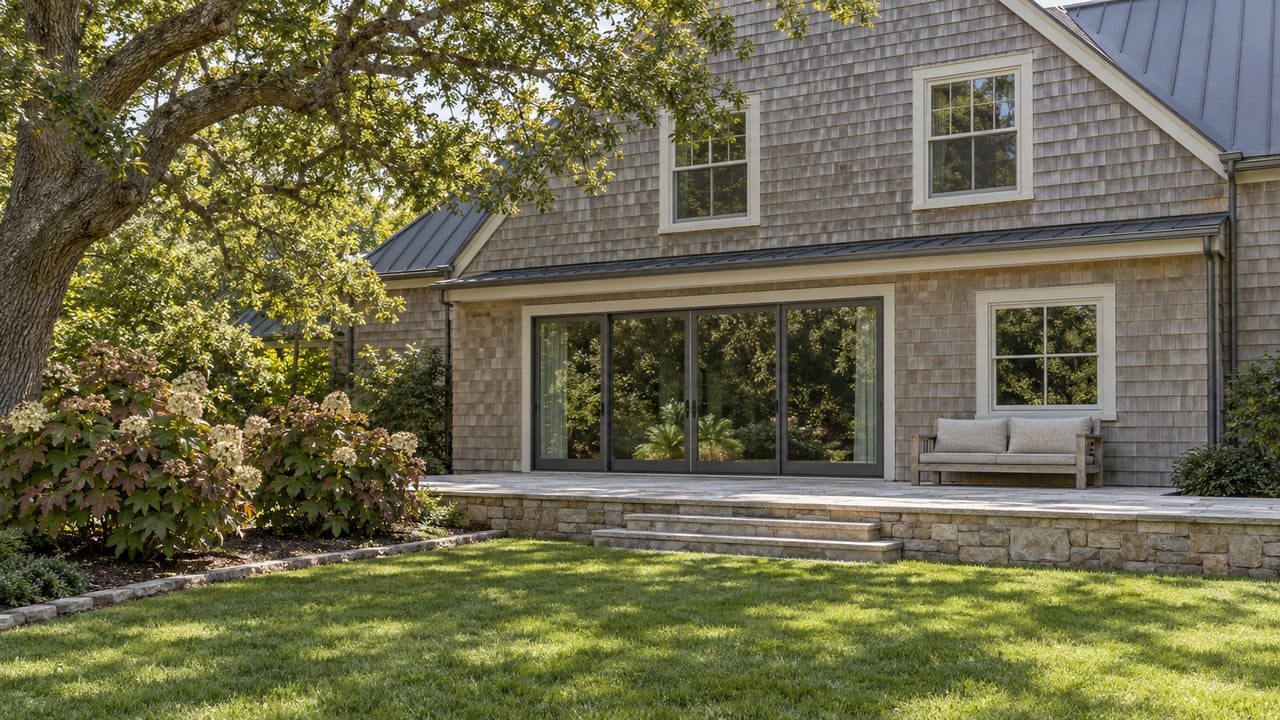
- Exterior wins: new garage door, updated entry door, fresh paint, strategic landscaping, and clean hardscape. National Cost vs. Value data shows exterior replacement projects often deliver the strongest resale returns year after year. Review the 2025 Cost vs. Value Report
- Interior refreshes: neutral interior paint, refinished hardwoods, updated lighting, a “minor kitchen remodel” (cabinet refacing, new counters and hardware), and refreshed primary bath fixtures. These read as turnkey without the disruption of a full gut.
Big-ticket projects, used selectively
- Seismic retrofits can be a smart move for certain pre-1980 homes with raised foundations or living spaces over garages. Bolt-and-brace upgrades can be marketed as safety enhancements and may be eligible for grants in some programs. Discuss feasibility, permitting, and cost with a qualified engineer.
- Major remodels or additions rarely recoup dollar-for-dollar at resale. If your primary goal is to sell, rely on a data-driven CMA and regional Cost vs. Value guidance before committing to large, custom projects. See the 2025 Cost vs. Value Report
Staging, media, and pricing discipline
Staging that supports strategy
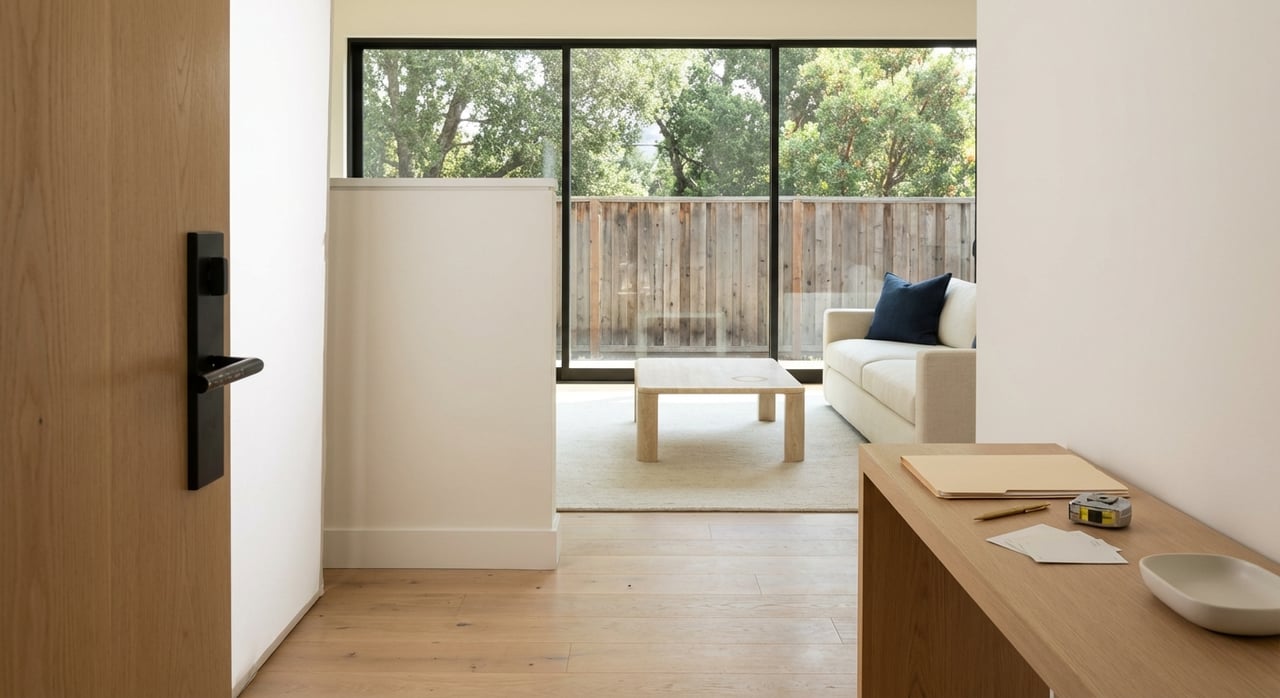
Thoughtful staging helps buyers visualize living in the home and can shorten time on market. In many cases, agents report staging contributes to stronger offers. For luxury listings, focus on the rooms that sell the home: living areas, kitchen, and primary suite. See NAR’s research and guidance on staging: NAR staging insights
Visual assets that widen reach
Premium photography and cinematic media are essential in Kentfield. Twilight exteriors, aerials that show privacy and setting, and a 3D tour can expand your buyer pool and accelerate showings. This is especially helpful when buyers are relocating from outside Marin.
Pricing and launch tactics
In small high-end markets, your list price and launch plan are tactical levers. Well-priced listings that create healthy competition often outperform properties that start high and linger. Consider a hybrid approach: a private preview period to a vetted buyer list, followed by a refined public launch. County reports underscore the value of deliberate positioning in premium submarkets. Explore Sotheby’s Marin market updates
A practical 6–18 month plan
12–18 months out: scope and strategy
- Meet with a Marin luxury specialist to align on goals, pricing approach, and a multi-channel marketing plan that includes broker-to-broker outreach and selective pre-market visibility.
- Order a high-level systems audit (roof, electrical, plumbing, HVAC) and a WDO inspection to reveal risk items early. See CREIA’s inspection FAQs
- If applicable, evaluate seismic vulnerabilities and discuss retrofit options and timing with an engineer.
6–12 months out: execute critical work
- Complete repairs that reduce transaction risk and gather all permits and receipts.
- Schedule exterior updates and landscaping so work wraps 6 to 8 weeks before photography.
- If your property is in RVSD, start the sewer lateral compliance process now. Review the RVSD sewer lateral FAQ
6–8 weeks out: finishing touches
- Deep clean, declutter, and stage key rooms. NAR data highlights the impact of these spaces on buyer perception. See NAR staging insights
- Book a luxury real estate photographer for bright, dry dates. Include twilight exteriors, drone, and a 3D tour if appropriate.
0–2 weeks out: documents and launch prep
- Assemble the buyer packet: signed TDS, NHD, any inspection reports, permits and receipts, service records, utility summaries, and if applicable the RVSD Certificate of Compliance or correspondence. Start with Civil Code §1102 and §1103.2 requirements.
- Coordinate broker previews and schedule your public launch to align with buyer activity and competing listings.
Buyer packet checklist
Include a clear, organized packet for buyers and their advisors:
- Transfer Disclosure Statement (TDS)
- Natural Hazard Disclosure (NHD)
- Agent visual inspection notes
- Home, roof, and WDO inspection reports (if obtained)
- Receipts and permits for recent work
- RVSD sewer lateral Certificate of Compliance or status letter (if applicable) (RVSD FAQ)
- Appliance manuals and service records
- HOA documents, if applicable
Final thoughts
A successful luxury sale in Kentfield is not about doing everything. It is about doing the right things, at the right time, with a disciplined plan. Prioritize safety and systems, invest where buyers notice, stage with intention, and launch with pricing and media that earn attention. If you would like a private, data-driven roadmap tailored to your property, request a confidential consultation with Stephanie Lamarre.
FAQs
Should a Kentfield seller get a pre-listing home inspection?
- Often yes, especially for older homes. It reduces negotiation risk and supports accurate pricing, but understand that any seller-obtained report may need to be disclosed. See CREIA’s inspection FAQs
What California disclosures are required before listing my Kentfield home?
- Most sales require a Transfer Disclosure Statement and a Natural Hazard Disclosure. Deliver them early to buyers. Review Civil Code §1102 and §1103.2
Do I need a sewer lateral certificate to sell in Kentfield?
- Many properties fall under the Ross Valley Sanitary District, which requires a Certificate of Compliance at sale. Start early. See the RVSD sewer lateral FAQ
Are seismic retrofits worth it before a luxury sale in Marin?
- For homes with specific vulnerabilities, a documented retrofit can be marketed as a safety and resilience upgrade. Discuss scope, cost, and timing with an engineer, and ask about potential grant programs.
How much staging and photography should a luxury seller budget?
- Focus on high-impact rooms and premium photography. NAR research indicates staging helps buyers visualize the home and can shorten time on market. See NAR staging insights