If you are drawn to Sausalito, you are probably not looking for a one-size-fits-all home. In this waterfront Marin community, living on the water and living above it can feel like two very different versions of daily life. Understanding the tradeoffs can help you choose more confidently, ask better questions, and focus on the option that truly fits how you want to live. Let’s dive in.
What “On the Water or Above It” Means
In Sausalito, this phrase is more than a poetic description. It reflects real differences in access, parking, infrastructure, and regulation. The city’s shoreline planning treats housing, transportation, and resilience as connected issues, which means your housing choice also shapes how you move through town and manage day-to-day logistics.
Broadly, buyers tend to consider three living experiences. These include floating homes and vessel-based living, more conventional waterfront condos or townhomes near marinas, and hillside single-family homes that trade dockside living for elevation, privacy, and views.
Floating Homes and Liveaboard Options
For some buyers, the most distinctive Sausalito lifestyle is living directly on the water. This option is highly specific to place, and it comes with rules and routines that differ from land-based housing. If you love the idea of docks, tides, and a close connection to the bay, it can be compelling.
Floating homes, houseboats, and liveaboards differ
These terms are often used loosely, but they are not the same. Sausalito city code allows houseboats only in designated locations and requires standards for utilities, sewer, mooring, gangways, and off-street parking. Marina and harbor facilities must also provide basics such as parking, sanitary facilities, trash and recycling, and pump-out access.
Liveaboards are a separate category. In Sausalito, a liveaboard is a vessel occupied in its berth for more than 180 nights per year, and that vessel must remain operable while meeting sewer, parking, and safety rules. That distinction matters when you are evaluating what you are buying, what you are leasing, and what rules apply.
Ownership is often less straightforward
In many marina-based floating-home communities, you may own the structure but not the berth itself. The berth or slip is often rented from the marina or landlord. Berth fees can vary and commonly cover items such as water, garbage, sewage, parking, and common-area maintenance.
That means your due diligence should go beyond the home’s finishes or layout. You will want clarity on the berth agreement, fee structure, maintenance responsibilities, access rules, and any operational requirements tied to the marina.
Richardson Bay is not the same thing
One of the biggest points of confusion is the difference between legal marina or harbor housing and the Richardson Bay anchorage. Sausalito’s code governs designated houseboats and liveaboards in marinas and harbors. By contrast, the Richardson Bay Regional Agency has stated that the last floating home was removed from Richardson Bay in March 2024, and remaining vessels and floating homes in the anchorage are slated for removal by October 26, 2026, except for legal 72-hour stays.
For buyers, that means it is important to separate the romance of bay living from the legal reality of where that living is actually allowed. In Sausalito, lawful water-based housing is tied to designated facilities and specific rules.
Waterfront Condos and Marina-Adjacent Homes
If you want the waterfront feeling without committing to a floating-home lifestyle, marina-adjacent condos and other land-based homes may offer a more conventional path. This option often appeals to buyers who want easier ownership structure, less hands-on maintenance, and close access to the harbor environment.
Sausalito’s harbor system is extensive. Facilities include Clipper Yacht Harbor, Sausalito Yacht Harbor, Richardson Bay Marina, Schoonmaker Point Marina, Pelican Harbour, Blue Water Yacht Harbor, and Sausalito Shipyard and Marina. The waterfront also includes Galilee Harbor and maritime institutions that reinforce the area’s working and recreational waterfront identity.
HOA rules matter more than many buyers expect
For condo and townhome buyers, the ownership structure is more familiar, but it is still rule-driven. In California common-interest developments, HOAs enforce rules through governing documents such as CC&Rs and bylaws. Buyers should review those documents, along with budgets and reserve data, because assessments can meaningfully affect monthly cost and long-term affordability.
This is especially important in a waterfront setting. Beyond standard HOA review, you may also need to understand how building systems, parking, exterior maintenance, and any marina-adjacent obligations are handled.
Short-term rental assumptions can mislead buyers
Some out-of-area buyers assume a waterfront condo can double as a flexible short-term rental. In Sausalito, that is not a safe assumption. The city prohibits short-term rentals of less than 30 days in residential zoning districts.
If rental income is part of your plan, you should evaluate the property based on long-term use and the actual local rules. For many buyers, these homes are best suited to owner-occupancy, second-home use, or long-term holding rather than vacation-rental style turnover.
Hillside Homes and View Properties
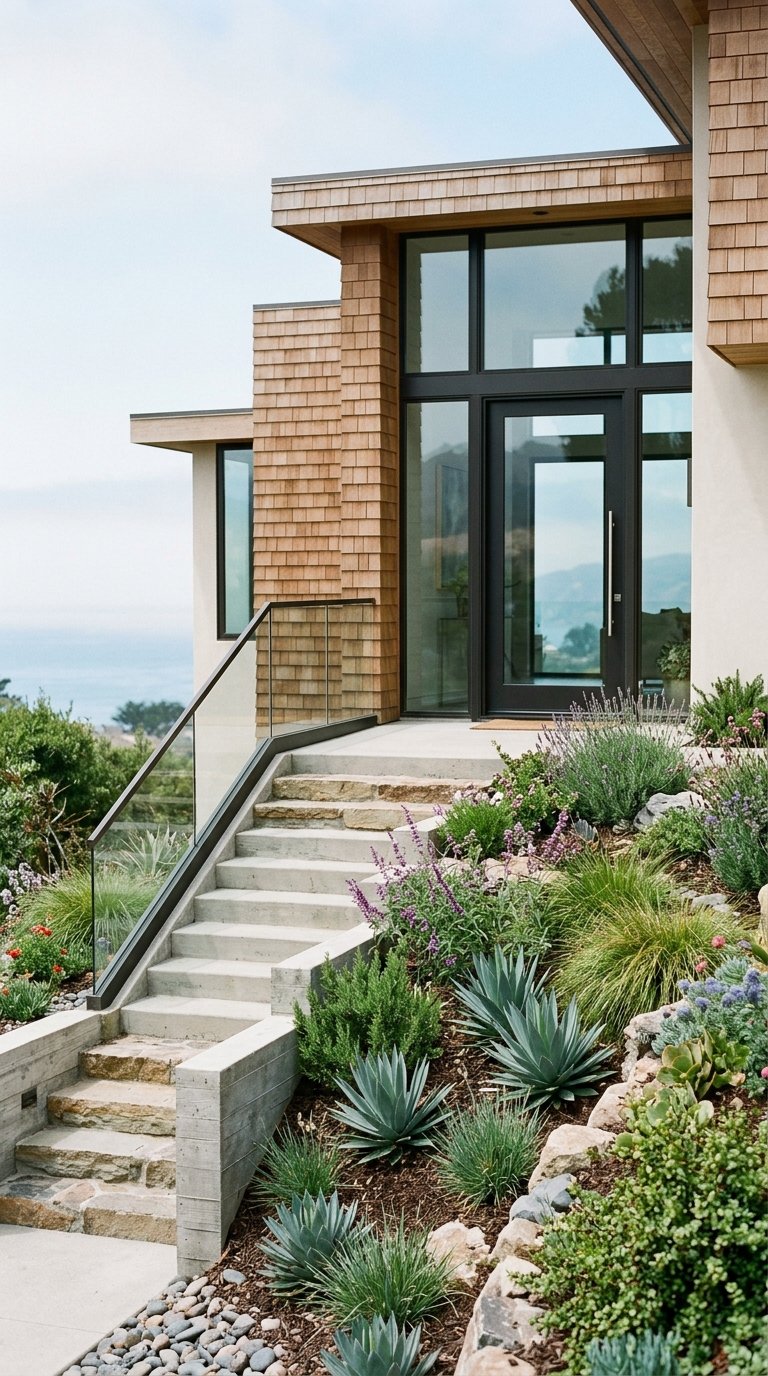
If your priority is light, privacy, and wide bay views, hillside living may be the strongest fit. Sausalito’s planning materials describe the city as steep, with many homes built on hillsides and some roadways cut into hillside material with very steep slopes above the street. That topography is part of what creates the dramatic outlooks many buyers love.
These homes usually offer a more traditional single-family experience. They often appeal to buyers who want separation from the bustle of the waterfront while still enjoying the visual connection to the bay and San Francisco skyline.
Views often come with access tradeoffs
The same elevation that creates remarkable outlooks can also shape your daily routine. Hillside properties may involve stairs, steep driveways, narrow roads, and more car dependence than some buyers initially expect. Parking and street access deserve as much attention as architecture and views.
In practical terms, a home that feels perfect on a sunny afternoon should also work for groceries, guests, school runs, service access, and regular commuting. In Sausalito, those details can have a real effect on quality of life.
Daily Life Factors That Shape Your Choice
No matter which option you prefer, Sausalito living is shaped by the bay, the terrain, and the town’s transportation network. Looking at lifestyle fit through that lens often helps narrow the field quickly.
Weather, fog, wind, and tides
Sausalito has a mild coastal climate. Nearby NOAA climate normals show an annual mean temperature of 58.7°F, with late-summer average highs in the mid-70s. The broader Bay Area weather pattern also includes morning stratus or fog, marine-layer influence, and breezy coastal conditions.
For waterfront homes, weather is not just about comfort. It is also about exposure to wind, dock conditions, and the rhythm of the tides. Bay tides can rise and fall twice daily by as much as 2 to 8 feet, which makes water-based living feel dynamic in a way hillside or inland homes do not.
Parking and access are not minor details
Parking can be one of the clearest quality-of-life differentiators in Sausalito. Downtown street parking is largely metered and enforced daily from 9:00 a.m. to 6:00 p.m. The city also has residential permit zones, and some residential areas have two-hour time limits.
Just as important, permits do not override meters or the 72-hour parking restriction. So while permits can help, they do not erase the practical challenge of parking in a compact waterfront town.
Ferry access can change the equation
For buyers who commute to San Francisco, ferry service is a major advantage. Golden Gate Ferry provides regular service between Sausalito and both the Ferry Building and Fisherman’s Wharf in San Francisco. That can make car-light commuting far more realistic here than in many other Marin locations.
This matters most for buyers choosing between walkable waterfront living and a more elevated hillside setting. If your routine includes ferry access, the location of the home within Sausalito becomes especially important.
Due Diligence Questions to Ask
Before you commit to any Sausalito property, focus on the rules and infrastructure as early as you focus on design. That is often where the real difference between appealing and practical shows up.
Ask these questions early
- What type of property is this: floating home, liveaboard, condo, townhome, or single-family home?
- Do you own the land, the structure, the berth, or some combination of those interests?
- What monthly fees apply, and what do they cover?
- Who controls parking, dock access, common areas, and maintenance schedules?
- What governing documents, leases, or marina rules need review?
- How does the property handle utilities, sewer, trash, and access?
- What are the realistic commuting and guest-parking conditions?
- Is the property in a residential district where short-term rentals under 30 days are prohibited?
For waterfront and marina properties especially, these questions can save you from making assumptions based on appearance alone. In Sausalito, the most beautiful setting still needs to work operationally.
Sea-Level Rise and Infrastructure Considerations
Sausalito’s shoreline planning makes clear that even small amounts of sea-level rise can affect homes, businesses, roads, sewer systems, stormwater drainage, and other infrastructure. The city’s adaptation planning is designed to protect shoreline access, transportation corridors, utility systems, and recreation areas.
That does not mean every home carries the same exposure. Waterfront homes are more directly tied to flooding and dock-related issues, while hillside homes are generally less flood-prone. Still, both rely on the same broader infrastructure network, including roads and utilities, so resilience should be part of your evaluation either way.
Which Sausalito Option Fits You Best?
The right answer usually comes down to how you want your days to feel. Each housing type offers a different balance of setting, convenience, privacy, and complexity.
Best fit by lifestyle
- Floating home or houseboat: Best if you want a highly specific water-first lifestyle and are comfortable with dock rules, shared systems, and tidal rhythms.
- Liveaboard vessel: Best if you want vessel-based living and understand the operability, sewer, parking, and safety requirements involved.
- Marina condo or townhome: Best if you want a more conventional ownership structure with lower-maintenance living, while accepting HOA governance and parking limitations.
- Hillside single-family home: Best if you prioritize privacy, views, and a traditional home setting, and you are comfortable with steeper access and more car dependence.
In a market as distinctive as Sausalito, the smartest move is not chasing a category. It is matching the property to your routines, tolerance for rules, and long-term goals.
If you are considering Sausalito and want a clear, discreet strategy around waterfront, view, or off-market opportunities in Marin, Stephanie Lamarre offers thoughtful guidance grounded in local knowledge, careful due diligence, and high-touch representation.
FAQs
What is the difference between a floating home and a liveaboard in Sausalito?
- A floating home or houseboat in Sausalito is allowed only in designated locations and must meet utility, mooring, gangway, sewer, and parking standards, while a liveaboard is a vessel occupied in its berth for more than 180 nights a year and must remain operable while meeting separate sewer, parking, and safety rules.
How do parking rules affect daily life in Sausalito home options?
- Parking can be a meaningful factor because downtown parking is mostly metered, some residential areas have permit zones and time limits, and permits do not override meters or the 72-hour restriction.
Are Sausalito waterfront condos good for short-term rentals?
- In residential zoning districts, Sausalito prohibits short-term rentals of less than 30 days, so buyers should not assume a condo can be used like a vacation rental.
What should you review before buying a Sausalito condo or townhome?
- You should review the HOA’s CC&Rs, bylaws, budget, reserve data, and assessments, since those documents and costs can materially affect affordability and use.
How do Sausalito hillside homes differ from waterfront living?
- Hillside homes usually offer more privacy, light, and views, but they often come with steeper roads, stairs, more car dependence, and added attention to driveway and parking logistics.
How important is sea-level rise when buying in Sausalito?
- It is an important consideration because the city states that even small amounts of sea-level rise can affect homes, roads, sewer systems, stormwater drainage, and other infrastructure, with waterfront homes generally more directly exposed than hillside homes.