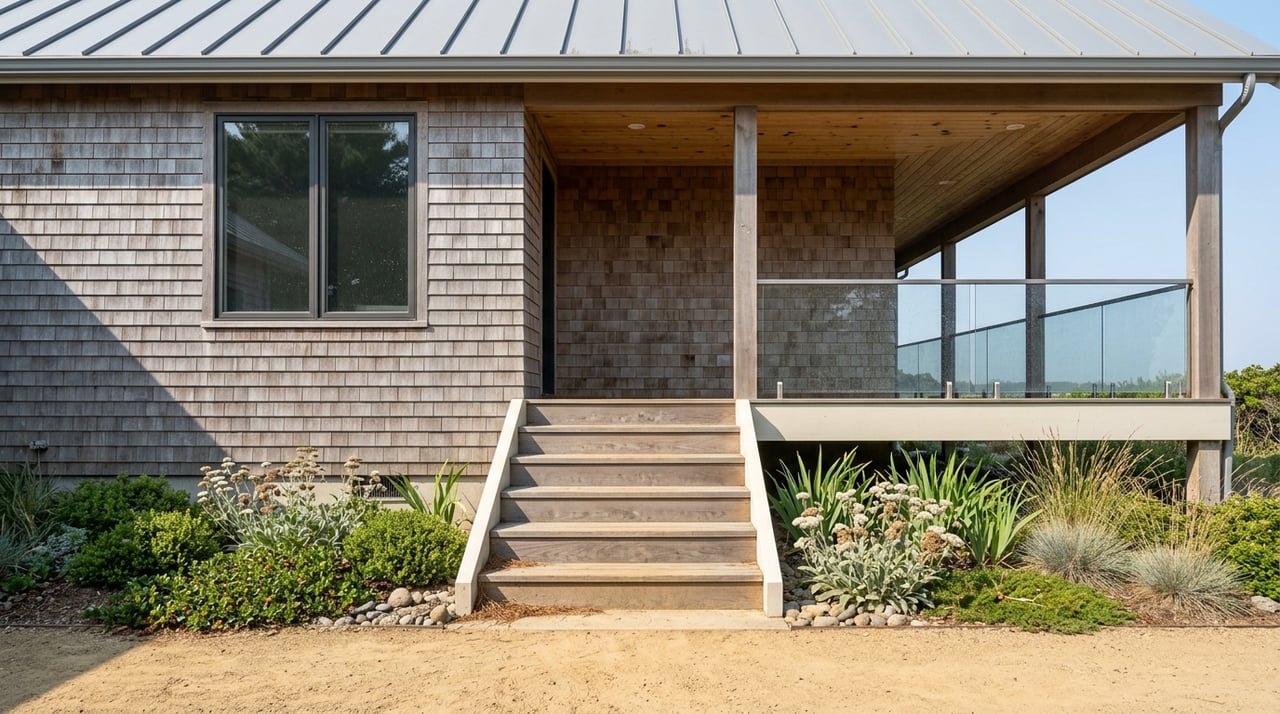
Thinking about a second home in West Marin? It is easy to fall for the ocean views, beach access, and slower coastal rhythm, but buying here takes more than falling in love with a setting. In West Marin’s beach communities, value is shaped not only by location and design, but also by coastal rules, infrastructure limits, weather exposure, and how a home functions through every season. If you are considering a retreat in Bolinas, Stinson Beach, Dillon Beach, or Inverness, this guide will help you focus on the issues that matter most before you buy. Let’s dive in.
Why West Marin Is Different
West Marin is not a typical second-home market within Marin County. These communities sit in the county’s Coastal Zone, where the Local Coastal Program and Coastal Zoning Code guide development. Marin County also maintains area plans for places like Bolinas, Dillon Beach, Inverness Ridge, and Stinson Beach that can come into play when discretionary applications are reviewed.
For you as a buyer, that means two homes with similar views or beach access may have very different ownership paths. Renovation potential, rental use, parking, wastewater systems, and hazard exposure can all affect daily enjoyment and long-term resale.
West Marin also operates under real pressure from visitor demand. County materials note that the area has more than 500 registered short-term rentals, or about 10% of the local housing stock, and officials have said even a modest number of homes shifting to visitor use can have outsized impacts in these lightly populated communities.
That local context matters. In these towns, buyers should look beyond the romance of a coastal address and consider how a property fits the area’s infrastructure, access, and seasonal demands.
Focus on Usability, Not Just Views
A second home in West Marin should work well in more than peak summer. County materials describe busy summer weekends as periods when visitation can strain parking, restrooms, septic systems, and emergency response. That makes year-round usability a practical consideration, not a minor detail.
When you evaluate a property, ask simple but important questions. Can you reach it reliably in winter storms? Does the lot support parking if guests visit? Is the home served by sewer, septic, or another onsite wastewater system? If you plan to hold the property long term, how adaptable is it if coastal conditions change?
In this market, the most appealing homes often combine beauty with resilience. A property that handles winter weather, infrastructure demands, and local regulations well may offer stronger long-term flexibility than one that looks ideal only on a sunny weekend.
Coastal Approvals Can Shape Your Plans
If you expect to remodel, expand, or reconfigure a second home, do your homework early. Marin County’s coastal project materials show that work in communities such as Stinson Beach, Bolinas, and Inverness can require Coastal Development Permits and, in some cases, design review, use permits, variances, or tentative maps.
That does not mean change is impossible. It does mean you should not assume an addition, deck expansion, parking improvement, or layout change will be routine just because the lot appears large enough or nearby homes have made updates.
The entitlement path can vary by parcel, even within the same town. Coastal Exclusion Maps and local plan overlays are part of the picture, so a careful review of the specific property matters more here than broad assumptions about the neighborhood.
Understand Short-Term Rental Limits
If part of your second-home strategy includes short-term rental income, verify the rules before you write an offer. In unincorporated Marin, anyone advertising or renting a residential unit for fewer than 30 days generally needs a short-term rental license, a business license, and a transient occupancy tax certificate.
The county also caps short-term rental licenses at 1,200 countywide, excluding Dillon Beach, and maintains township caps in places such as Bolinas, Dillon Beach, Inverness, and Stinson Beach. Marin currently uses an invite-only application process with a waitlist when demand exceeds supply.
This matters because a home is not automatically income-ready just because it has been used seasonally in the past or seems well suited for visitors. If rental use is central to your purchase, you will want to confirm whether a license is active, transferable if applicable under current county procedures, or subject to a waitlist.
Model Rental Income Conservatively
West Marin’s transient occupancy tax rate for short-term rentals is 14%. Measure W directs visitor-tax revenue toward workforce housing and emergency services in the West Marin tax area from Muir Beach to Dillon Beach, and county officials say the tax raises about $1.2 million annually.
For you, the key takeaway is simple: model rental income on a net basis, not gross. Taxes, local compliance, parking requirements, and management logistics can materially change the financial picture.
Parking Can Be a Real Constraint
County application rules require parking documentation, and except for first-round license holders, short-term rental properties must provide two onsite parking spaces. In older beach communities with compact lots and narrow streets, that can be a meaningful hurdle.
A charming cottage near the beach may feel like a perfect rental candidate, but if the parking layout does not meet county standards, your options may be limited. In West Marin, small-site constraints often have outsized consequences.
Environmental Due Diligence Matters
Hazard review should be part of your buying process from the start. Marin County provides hazard maps covering flooding, sea level rise, tsunami exposure, wildfire, and evacuation planning, and the county uses ZoneHaven to identify evacuation zones.
This is especially important in West Marin, where access routes can be limited. Marin says Bolinas Road is an emergency evacuation route and a critical firefighting access road, which highlights how road conditions and emergency access can affect real-world usability.
If you are buying for relaxation, privacy, and coastal enjoyment, you still need a practical understanding of exposure. That includes not only the house itself, but also roads, utilities, wastewater systems, and how the surrounding area performs in storms or emergency events.
Stinson Beach Requires Extra Sea-Level Review
Stinson Beach deserves especially careful review because county materials identify it as Marin’s most immediately at-risk coastal community for sea-level rise. The Stinson adaptation study focuses on an expected 3.3 feet of sea-level rise by 2085.
County materials also state that nearly half of Stinson properties are exposed to emergent or shallow groundwater. That creates added concern for septic systems and underground utilities, and it may influence both future maintenance and long-term planning.
The county’s adaptation work outlines potential responses such as raising roads, bridges, and homes, elevating bulkheads, building dunes and cobble berms, and transitioning to a community wastewater treatment system. For buyers, this is useful context because future public works and private property improvements may shape convenience, costs, and value over time.
Infrastructure Varies by Community
One of the most important things to understand in West Marin is that each beach community has its own infrastructure story. Sewer service, water supply, wastewater systems, and lot conditions vary enough that town-by-town research is essential.
Stinson Beach
Stinson Beach County Water District provides domestic water, onsite wastewater management, and solid waste services. The district states that all Stinson properties use some form of onsite wastewater treatment.
If you plan to remodel or enlarge a home in Stinson Beach, wastewater permitting and district standards should be part of your review. This is not a background issue. It can directly affect what you can do with the property.
Bolinas
Bolinas has two distinct infrastructure settings. The historic downtown village is served by a public sewer system, but the district reports that capacity issues can arise in wetter years and that a moratorium on new sewer connections has been in place since 1985.
On the Big Mesa, the district says high water tables, thin soils, and slow percolation can impair septic performance during wet winters. If you are choosing between village and mesa properties, wastewater realities should be a major part of the comparison.
Dillon Beach
County background materials describe Dillon Beach Village as a compact older settlement with very small lots, narrow streets, and a shift from seasonal to year-round use. Water is supplied by Coast Springs Water Company and Cal Water.
The county notes that water supply can be affected by bacteriology, turbidity, and possible septic contamination, which is why treatment is substantial and water-system due diligence is important. In practical terms, buyers should give utility records and system information the same attention they would give views or finishes.
Inverness
Inverness sits on the west shore of Tomales Bay and is part of Flood Control Zone No. 10, created after the 1982 storm to address local flooding. That history is worth knowing if flood exposure is part of your risk review.
Tomales Bay is also ecologically sensitive, and county habitat materials describe it as a wetland of international importance. If you are buying near baylands or shoreline areas, a careful reading of site conditions and local constraints is prudent.
Check Beach Conditions and Seasonal Use
If your second home decision depends heavily on beach access, surf, or visitor appeal, pay attention to seasonal beach water monitoring. Marin tests 31 sites weekly from April through October and posts warnings when standards are exceeded.
County materials note that in Bolinas, affected beach sections have been reopened under advisory after investigation into wastewater seepage and bluff instability. This does not mean beach use is broadly impaired, but it does show why current conditions and seasonal advisories are worth reviewing when coastal lifestyle is a major driver of value for you.
A Smart Buyer Checklist
Before you move forward on a second home in West Marin, make sure you have clear answers to the basics:
- Confirm whether the parcel falls within a coastal area that may require discretionary approvals.
- Verify whether any planned remodel, addition, or exterior change could trigger permits such as a Coastal Development Permit, design review, variance, or use permit.
- Confirm whether short-term rental use is actually available, and whether the property meets parking requirements.
- Review whether the home is served by sewer, septic, or an onsite wastewater management system, and obtain current records before closing.
- Check flood, sea-level-rise, tsunami, wildfire, and evacuation-zone exposure.
- Consider winter access and emergency route reliability, not just summer convenience.
- Review current beach advisories and seasonal monitoring if beach use is central to your decision.
Buy With Local Precision
A second home in West Marin can be deeply rewarding, but this is a market where disciplined due diligence protects both lifestyle and value. The right purchase is rarely just the prettiest house near the water. It is the property that aligns with how you plan to use it, what the site can support, and how local rules and infrastructure may shape ownership over time.
If you are considering Bolinas, Stinson Beach, Dillon Beach, Inverness, or another West Marin coastal community, careful local analysis can help you avoid assumptions and move with confidence. For discreet guidance on evaluating coastal properties in Marin, connect with Stephanie Lamarre.
FAQs
What makes buying a second home in West Marin different from other Marin markets?
- West Marin beach communities are in the county’s Coastal Zone, where local coastal rules, area plans, infrastructure limits, and hazard exposure can all affect use, renovation potential, and resale.
Can you use a West Marin second home as a short-term rental?
- Possibly, but in unincorporated Marin, short-term rentals generally require a county license, a business license, and a transient occupancy tax certificate, and township caps or waitlists may limit availability.
What should you check before remodeling a beach house in Stinson Beach or Bolinas?
- You should confirm the parcel’s coastal permit path and review whether the planned work could require approvals such as a Coastal Development Permit, design review, a variance, or other discretionary permits.
Why is wastewater review important for West Marin second homes?
- Wastewater systems vary widely by community, and issues such as onsite treatment requirements, sewer capacity limits, high water tables, and septic performance can affect both current use and future improvement plans.
Are sea-level rise and flooding concerns important in Stinson Beach and Inverness?
- Yes. County materials identify Stinson Beach as especially vulnerable to sea-level rise, and Inverness includes areas with a flooding history tied to Flood Control Zone No. 10.
How do you evaluate a second home in Dillon Beach for long-term ownership?
- You should review lot constraints, parking, water-system information, access, and any infrastructure issues alongside the home’s design, location, and intended use.