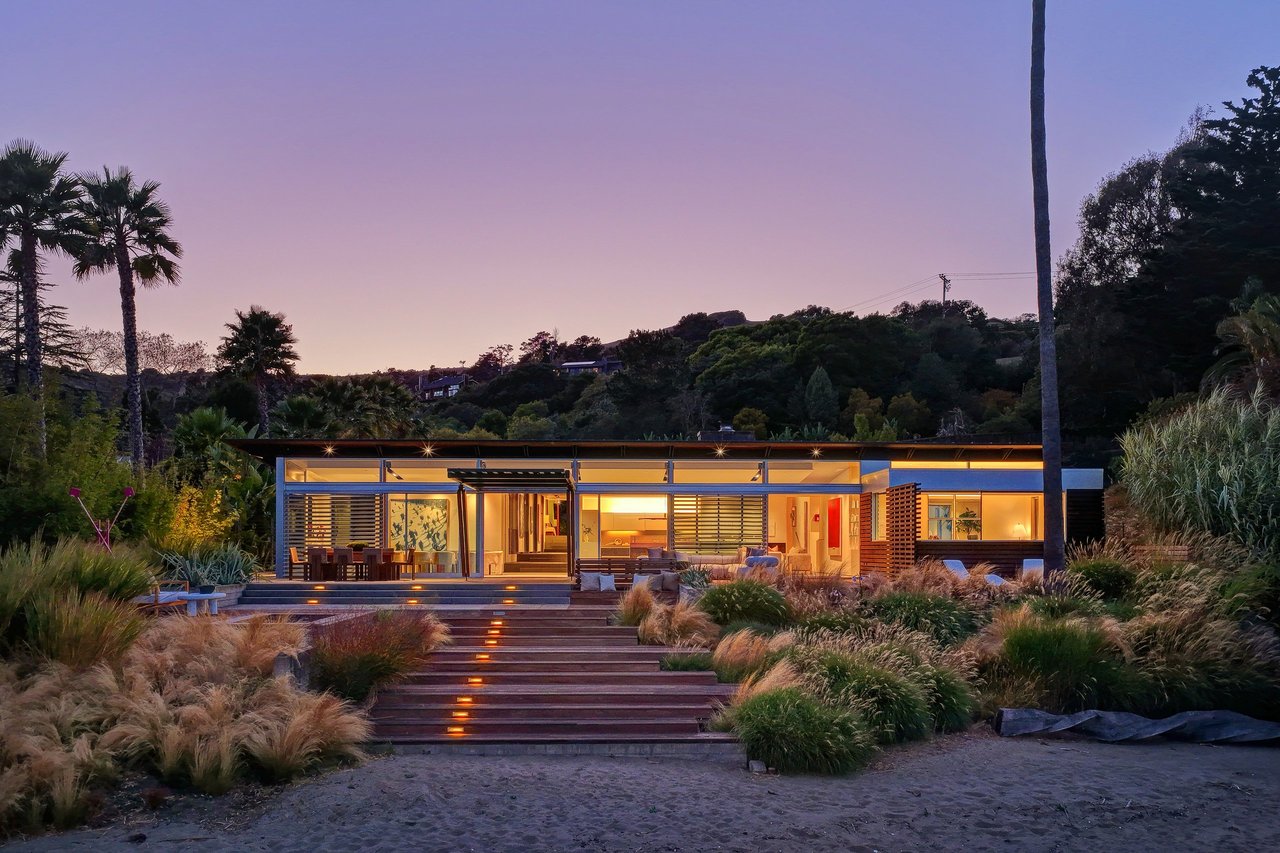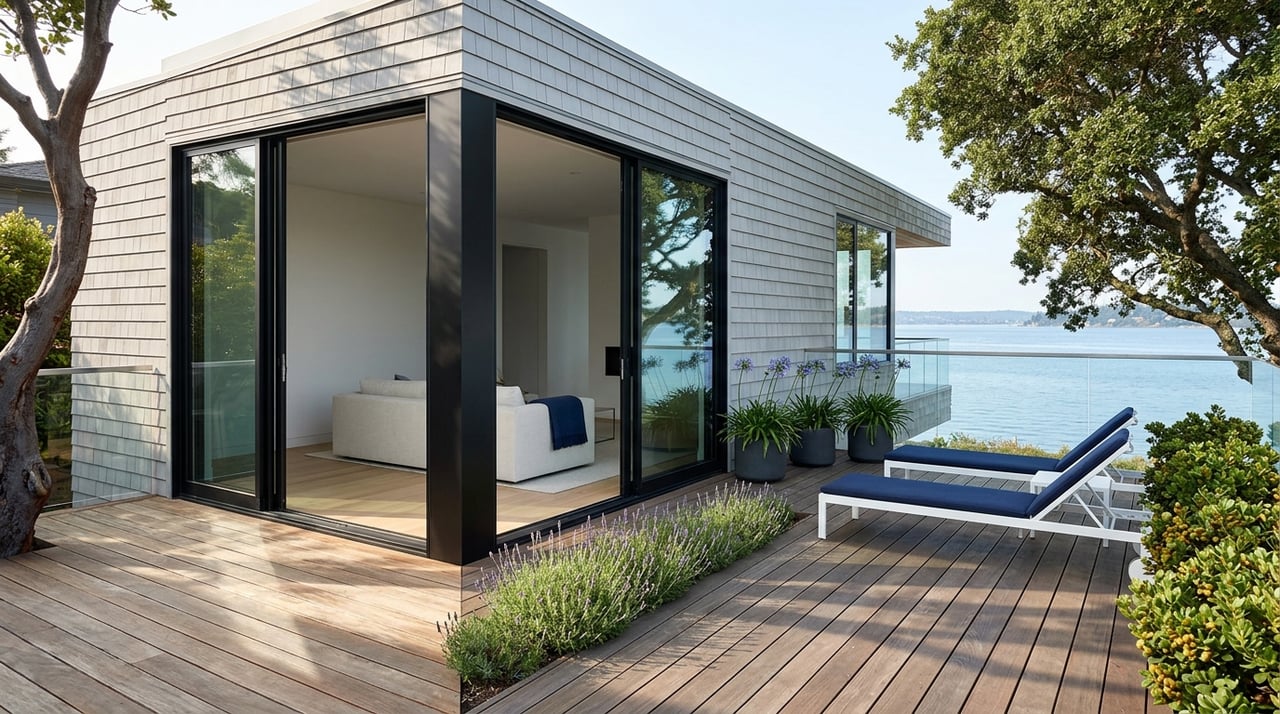
What does “Belvedere living” actually mean when the city is only half a square mile and nearly every home experience is shaped by water, elevation, or access? If you are considering a move in Belvedere, the answer is often less about the mailing address and more about whether a home sits on the Island, the Lagoon, or the Cove. Understanding those differences can help you focus on the setting that best matches your daily routine, privacy preferences, and long-term ownership goals. Let’s dive in.
Why setting matters in Belvedere
Belvedere is unusually small and unusually distinct. The city says it was incorporated in 1896, spans about 0.5 square miles, includes two islands and an artificial lagoon, and has fewer than 1,000 residences with very little retail.
That compact footprint creates a market where micro-location carries real weight. In Belvedere, two homes can share the same city name but offer very different lifestyles depending on whether they emphasize elevation, controlled waterfront living, or boating access.
For buyers and sellers alike, this matters because setting shapes not just the view from your windows, but also ownership responsibilities, access patterns, and resale appeal. In a thin market, those details tend to matter more than broad generalizations.
Belvedere Island lifestyle
Privacy and elevation define the Island
Belvedere Island is generally the most topographic and view-driven setting in the city. The city’s housing element places the R-15 single-family district on Belvedere Island, with a 15,000-square-foot minimum lot area, and notes that remaining undeveloped sites are constrained more by steep topography and construction cost than by density pressure.
In practical terms, that helps explain why the Island often feels more private and estate-like. The combination of larger lot standards and hillside terrain tends to create a stronger sense of separation, along with the elevated vantage points many buyers associate with classic Belvedere living.
What daily life can feel like
If you value quiet, views, and a greater sense of retreat, the Island is often the strongest fit. It tends to reward buyers who want a home that feels removed from activity rather than closely tied to a shared waterfront environment.
That does not mean every property will feel the same. But compared with the Lagoon and the Cove, the Island is typically the setting where privacy and topography carry the most influence over daily life.
Ownership and resale considerations on the Island
From a resale perspective, the Island’s strengths are scarcity, elevation, and view potential. Those traits can support long-term desirability, especially for buyers who place a premium on privacy and a more estate-oriented feel.
At the same time, Belvedere maintains historic-property review under Title 21 for designated sites. For some owners, that can help preserve character. For others, it may add more process when planning major alterations or expansions.
Belvedere Lagoon lifestyle
The Lagoon offers controlled waterfront living
Belvedere Lagoon is the most access-controlled waterfront setting of the three. The Lagoon covers 66 acres, is surrounded by roughly 260 private residences and duplexes, and has no public access.
That privacy is paired with a structured ownership environment. The Belvedere Lagoon Property Owners Association says membership is required for shoreline owners and describes itself as a private nonprofit focused on maintaining the lagoon rather than a typical HOA.
Recreation is central, but rules matter
Life on the Lagoon is closely tied to the water, but it is not unrestricted. Approved uses include swimming, manually powered craft, and sailboats limited to mono-hulls up to 15 feet.
The Belvedere Sailing Society organizes races and social events, and the Mann Boathouse offers limited storage. When space is unavailable, waits can be long, which is an important practical detail if you expect easy equipment storage from day one.
Flood planning is part of Lagoon ownership
The Lagoon is also where ownership details become more technical. The city says the majority of Lagoon and West Shore Road properties are in a special flood hazard area, and the city’s resilience page states that roughly one-third of Belvedere is in a FEMA flood zone.
The city is planning levee improvements to protect critical infrastructure and homes. Even so, buyers considering the Lagoon should expect flood exposure, insurance questions, and shoreline maintenance to be part of the ownership conversation.
Seasonal operations affect how the Lagoon functions
The Lagoon is actively managed, which shapes the lifestyle. BLPOA says it controls water levels to balance recreation from roughly April 1 to October 31 with flood-control requirements from roughly November 1 to March 31.
Annual dues support water-quality testing, weed control, and infrastructure maintenance. That structure can be a benefit if you value managed waterfront living, but it also means the setting comes with rules, costs, and obligations that should be understood clearly before you buy.
Resale and buyer fit on the Lagoon
For the right buyer, the Lagoon offers a rare combination of private-water living and scarcity. It can be especially appealing if you want a close-knit ownership environment centered on everyday waterfront use.
The tradeoffs are equally important. Dues, ownership rules, flood insurance, shoreline responsibilities, and membership requirements all affect the ownership experience and may influence future buyer demand at resale.
Belvedere Cove lifestyle
The Cove is the most boating-centered setting
Belvedere Cove is best understood as the harbor-facing waterfront around Beach Road and the San Francisco Yacht Club, rather than as a separate zoning district. SFYC says it has been on Belvedere Cove since 1937 and operates a year-round harbor facility with 190 berths, 50 dry-storage spaces, a harbor, a full-service restaurant and bar, plus youth sailing and regatta programs.
Only club members may rent slips. That detail matters because the Cove’s lifestyle is closely tied to boating culture, but access to some of its most visible amenities depends on club membership rather than location alone.
Expect more energy and movement
The city’s parking rules offer another clue about the Cove’s rhythm. Beach Road from Main Street to SFYC, along with Cove Road and parts of Lagoon Road, falls within resident-permit or two-hour parking zones.
That does not make the area urban. It does suggest more activity, visitor turnover, and waterfront motion than you will usually find on the Island.
Who the Cove suits best
If you want immediate proximity to dock culture, regattas, Bay-facing views, and an active harbor setting, the Cove is often the clearest match. It tends to work best for buyers who enjoy a more social waterfront atmosphere.
The tradeoff is visibility. Compared with the Island, the Cove generally rewards buyers who like on-water energy and a sense of connection to boating life, rather than those seeking maximum seclusion.
How to choose the right Belvedere setting
Choose based on how you actually live
A useful framework is simple. If your top priority is privacy, elevation, and a larger-lot estate feel, Belvedere Island may be the strongest fit.
If you want private-water recreation within a structured member community, the Lagoon may align best. If boating access, yacht-club proximity, and an active harbor environment matter most, the Cove may be the most natural choice.
Think beyond the view
In a market like Belvedere, the visual appeal of a property is only part of the story. You also want to weigh flood exposure, association structure, parking patterns, remodeling constraints, and how much day-to-day activity you want around you.
These details can shape your ownership experience just as much as architecture or square footage. They also tend to affect resale, because future buyers will evaluate the same tradeoffs.
What resale can look like in Belvedere
Belvedere remains a highly constrained market. As of April 30, 2026, Zillow reported 7 active listings and an average home value of $4,776,546, while Redfin reported a three-month median sale price of $5,492,164 and a median 20 days on market through April 2026.
In a market this thin, setting becomes even more important. The premium is often tied less to Belvedere in general and more to how well a specific property aligns with a buyer’s habits, whether that means seeking privacy, private-water recreation, or boating-centered access.
That is why careful positioning matters for sellers and careful selection matters for buyers. In Belvedere, the strongest outcomes usually come from matching the property’s setting to the buyer’s actual lifestyle, not an abstract idea of waterfront luxury.
If you are weighing a move to Belvedere or preparing to position a home for sale, a nuanced read on micro-location can make a meaningful difference. For discreet, data-driven guidance tailored to Belvedere’s luxury market, connect with Stephanie Lamarre.
FAQs
What is the difference between Belvedere Island and Belvedere Lagoon?
- Belvedere Island is generally more topographic, private, and view-oriented, while Belvedere Lagoon is centered on private-water living with membership rules, managed water levels, and more flood-related ownership considerations.
What is Belvedere Cove known for in Belvedere real estate?
- Belvedere Cove is most closely associated with boating access, harbor activity, Bay views, and proximity to the San Francisco Yacht Club and its year-round waterfront facilities.
Are Belvedere Lagoon homes in a flood zone?
- The city says the majority of Lagoon and West Shore Road properties are in a special flood hazard area, so flood exposure and related insurance or maintenance questions are important parts of due diligence.
Does Belvedere Lagoon have public access?
- No. The Belvedere Lagoon Property Owners Association says the lagoon has no public access and is surrounded by private residences and duplexes.
Why does micro-location matter in Belvedere?
- Because Belvedere is small, water-bound, and supply-constrained, the specific setting of a property often has a major impact on daily lifestyle, ownership obligations, and resale appeal.